Month: June 2026

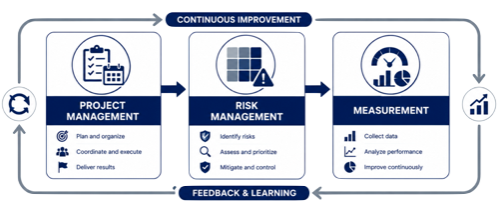
Overview of ASPICE 4.0 Management Processes including Project Management Risk Management and Measurement

ASPICE 4.0 Management Processes Explained

ASPICE 4.0 Management Processes Explained Successful automotive development requires more than excellent engineering. Even the best system, software, and hardware engineers cannot deliver successful products without effective project planning, risk management, and performance monitoring. This is where the ASPICE 4.0 Management Process Group (MAN) comes into play. The Management Processes provide the framework for planning, …

ASPICE 4.0 Management Processes Explained Read More »

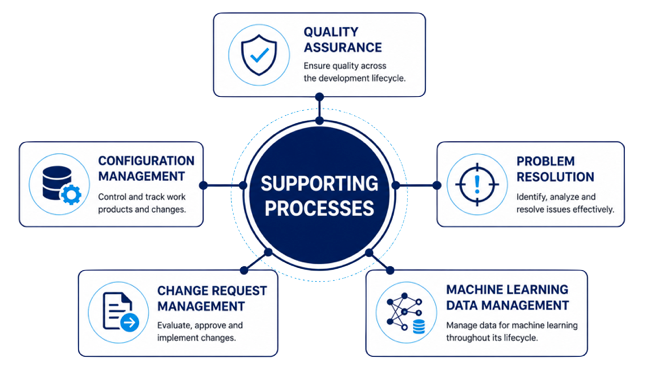
Overview of ASPICE 4.0 Supporting Processes including quality assurance configuration management problem resolution change management and machine learning data management

ASPICE 4.0 Supporting Processes Explained

ASPICE 4.0 Supporting Processes Explained When engineers think about ASPICE, they often focus on System Engineering, Software Engineering, or Hardware Engineering. However, successful automotive development depends on much more than engineering activities alone. Projects also require quality assurance, configuration control, issue management, change management, and increasingly, machine learning data management. This is where the ASPICE …

ASPICE 4.0 Supporting Processes Explained Read More »

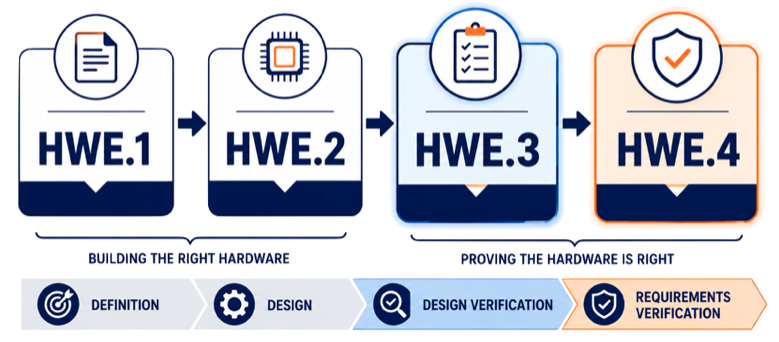
Overview of ASPICE 4.0 Hardware Engineering processes including HWE.1 HWE.2 HWE.3 and HWE.4

ASPICE 4.0 Hardware Engineering Explained

ASPICE 4.0 Hardware Engineering Explained Modern vehicles rely on sophisticated electronic hardware to deliver functionality, safety, connectivity, and performance. Electronic Control Units (ECUs), sensors, power electronics, communication interfaces, and processing hardware form the foundation upon which automotive software operates. As vehicle complexity continues to increase, hardware development requires structured engineering processes that ensure quality, traceability, …

ASPICE 4.0 Hardware Engineering Explained Read More »

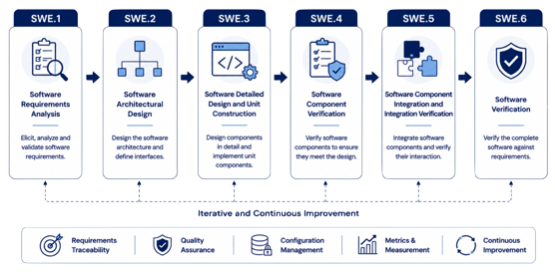
Overview of ASPICE Software Engineering processes including SWE.1 SWE.2 SWE.3 SWE.4 SWE.5 and SWE.6

ASPICE Software Engineering Explained

ASPICE Software Engineering Explained Software has become one of the most important elements of modern vehicle development. From powertrain control and body electronics to advanced driver assistance systems and software-defined vehicles, software functionality continues to increase in complexity and importance. As a result, organizations require structured development processes to ensure software quality, traceability, and reliability. …

ASPICE Software Engineering Explained Read More »

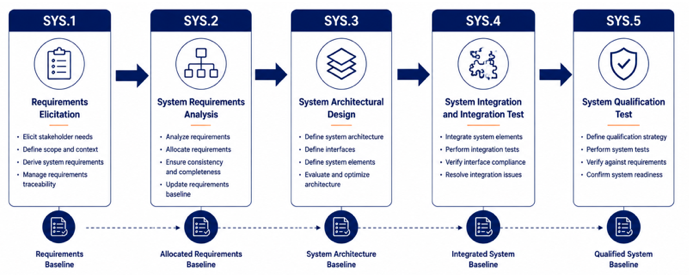
ASPICE System Engineering process group overview including SYS.1 SYS.2 SYS.3 SYS.4 and SYS.5

ASPICE System Engineering Explained

ASPICE System Engineering Explained Modern vehicles are highly complex systems consisting of hardware, software, sensors, actuators, communication networks, and numerous interacting functions. To manage this complexity, automotive development requires a structured systems engineering approach that ensures customer requirements are transformed into complete and verified system solutions. This is exactly the purpose of the ASPICE System …

ASPICE System Engineering Explained Read More »

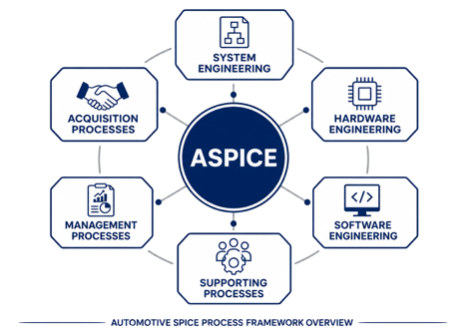
Overview of ASPICE process groups including system engineering software engineering hardware engineering supporting and management processes

ASPICE Process Groups Explained

ASPICE Process Groups Explained ASPICE has become one of the most important process assessment frameworks in the automotive industry. Many engineers initially associate ASPICE primarily with software development. However, ASPICE covers much more than software alone. Modern vehicles are complex systems consisting of hardware, software, systems engineering activities, management processes, and supporting processes. To address …

ASPICE Process Groups Explained Read More »

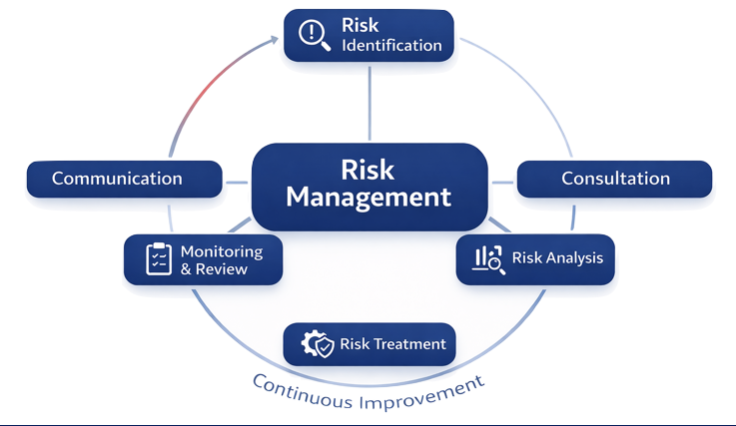
ISO 31000 risk management process including risk identification analysis evaluation treatment and monitoring

ISO 31000 Explained – Risk Management Principles

ISO 31000 Explained – Risk Management Principles Risk is a part of every organization. Whether developing safety-critical systems, managing cybersecurity threats, launching new products, or running daily business operations, organizations constantly face uncertainty. The challenge is not eliminating all risks—this is rarely possible. Instead, successful organizations identify, assess, and manage risks in a structured and …

ISO 31000 Explained – Risk Management Principles Read More »

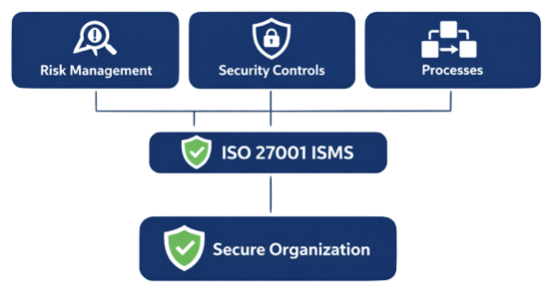
ISO 27001 information security management system with cybersecurity governance and risk management concepts

ISO 27001 Explained – Information Security Management Systems

ISO 27001 Explained – Information Security Management Systems Information has become one of the most valuable assets of modern organizations. Whether it is customer data, intellectual property, financial records, business strategies, or engineering documentation, organizations depend on secure and reliable information to operate effectively. At the same time, cyberattacks, data breaches, insider threats, and regulatory …

ISO 27001 Explained – Information Security Management Systems Read More »

Shopping Cart
Cookie Consent with Real Cookie Banner