Month: May 2026

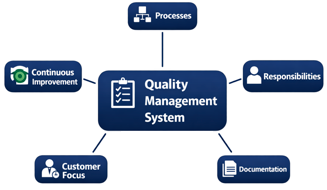
Key elements of ISO 9001 including process management continuous improvement and quality assurance

ISO 9001 Explained – Quality Management Systems

ISO 9001 Explained – Quality Management Systems Quality management plays an essential role in modern organizations. Whether in engineering, manufacturing, software development, healthcare, or services, companies must ensure that their processes consistently deliver reliable results. As organizations grow in complexity, maintaining process consistency, customer satisfaction, and operational efficiency becomes increasingly challenging. This is where ISO …
ISO 9001 Explained – Quality Management Systems Read More »

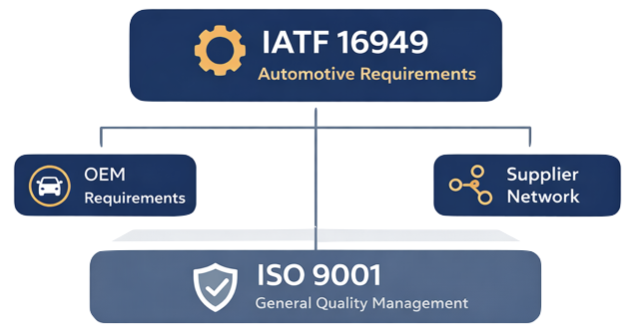
IATF 16949 automotive quality management system for vehicle development and manufacturing

IATF 16949 Explained – Automotive Quality Management

IATF 16949 Explained – Automotive Quality Management Quality management plays a central role in the automotive industry. Modern vehicles contain highly complex electronics, software, mechanical systems, and safety-critical components developed across global supply chains. A single quality issue can lead to expensive recalls, production delays, safety risks, and major reputational damage. This is why automotive …

IATF 16949 Explained – Automotive Quality Management Read More »

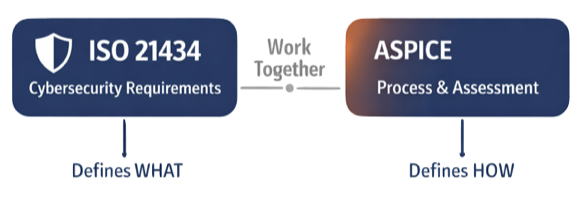
ASPICE for Cybersecurity overview showing secure automotive development and cybersecurity engineering processes

ASPICE for Cybersecurity Explained – Automotive Cybersecurity Processes

ASPICE for Cybersecurity Explained – Automotive Cybersecurity Processes Modern vehicles are becoming increasingly connected, software-driven, and dependent on complex electronic architectures. Features such as over-the-air updates, vehicle connectivity, cloud integration, and autonomous driving capabilities significantly increase cybersecurity exposure. As cybersecurity risks continue to grow, automotive manufacturers and suppliers must ensure that cybersecurity is integrated into …

ASPICE for Cybersecurity Explained – Automotive Cybersecurity Processes Read More »

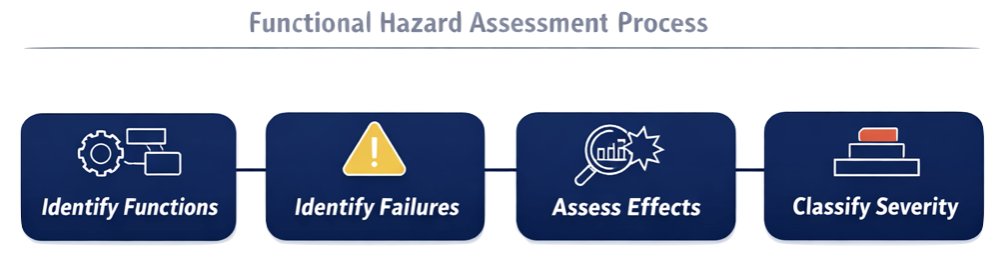
Functional Hazard Assessment process including hazard identification severity classification and safety objectives

FHA Explained (ARP4761A) – Functional Hazard Assessment in Aerospace

FHA Explained (ARP4761A) – Functional Hazard Assessment in Aerospace Safety assessment is one of the most important activities in aerospace engineering. Modern aircraft systems are highly integrated and rely on complex interactions between software, hardware, avionics, sensors, and communication systems. Understanding how failures can affect aircraft operation is essential for ensuring safety and supporting certification …

FHA Explained (ARP4761A) – Functional Hazard Assessment in Aerospace Read More »

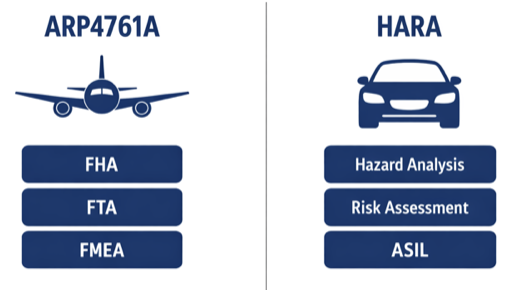
Comparison of ARP4761A aerospace safety assessment and HARA automotive functional safety analysis

ARP4761A vs HARA – Aerospace vs Automotive Safety Analysis

ARP4761A vs HARA – Aerospace vs Automotive Safety Analysis Safety-critical industries all aim to achieve the same goal: preventing unacceptable risks and ensuring safe system behavior. However, the methods used to achieve this goal can differ significantly depending on the industry and regulatory environment. In aerospace engineering, ARP4761A defines the safety assessment methods used to …

ARP4761A vs HARA – Aerospace vs Automotive Safety Analysis Read More »

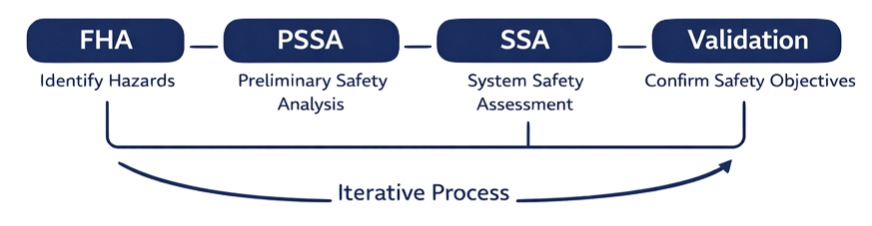
ARP4761A Explained – Safety Assessment in Aerospace

ARP4761A Explained – Safety Assessment in Aerospace Safety is one of the most critical aspects of aerospace engineering. Modern aircraft rely on highly integrated systems where failures can have severe consequences. Ensuring that these systems operate safely requires systematic safety assessment processes that are integrated throughout development. ARP4761A provides the framework used in aerospace engineering …

ARP4761A Explained – Safety Assessment in Aerospace Read More »

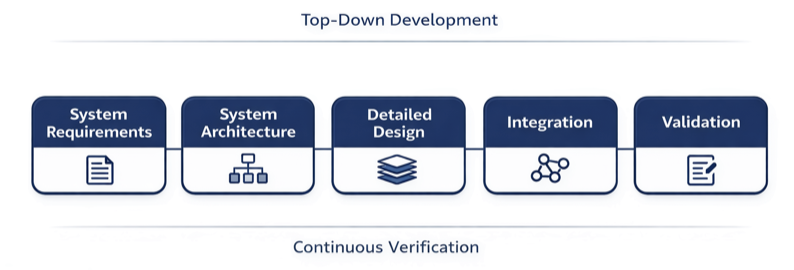
ARP4754B aircraft system development lifecycle including requirements architecture validation and verification

ARP4754B Explained – Aircraft System Development

ARP4754B Explained – Aircraft System Development Modern aircraft are among the most complex engineering systems ever built. They combine software, hardware, avionics, communication systems, sensors, and highly integrated architectures that must operate reliably under strict safety requirements. Developing these systems requires more than technical expertise alone. It requires structured development processes, clear traceability, and systematic …

ARP4754B Explained – Aircraft System Development Read More »

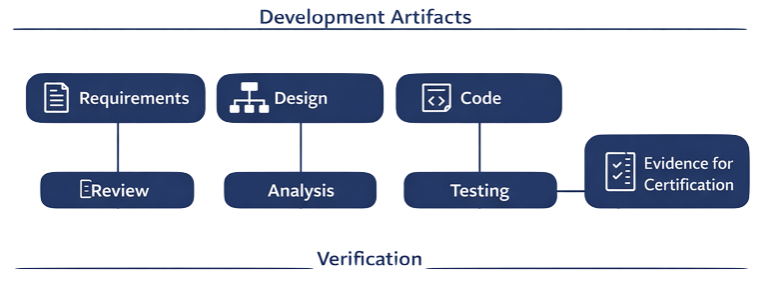
DO-178C software development and verification process for aircraft systems

DO-178C Explained – Software Certification for Aircraft

DO-178C Explained – Software Certification for Aircraft Software plays a critical role in modern aircraft. From flight control systems to navigation and communication, many essential functions depend on reliable and predictable software behavior. Unlike conventional software, aviation software must meet extremely strict safety and certification requirements. DO-178C defines the framework used to develop and certify …

DO-178C Explained – Software Certification for Aircraft Read More »

Shopping Cart
Cookie Consent with Real Cookie Banner