Month: April 2026

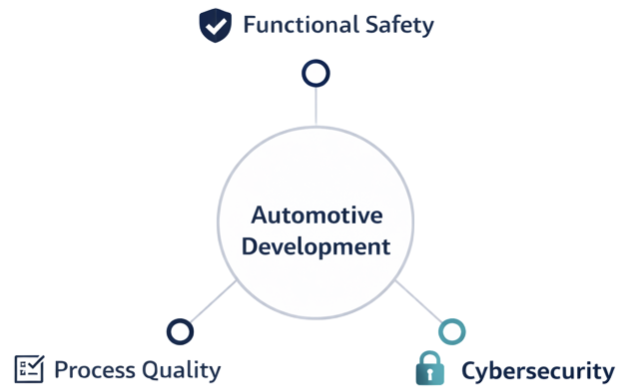
overview of automotive standards including ISO 26262 ASPICE ISO 21434 and SOTIF in modern vehicle development

Automotive Standards Explained – ISO 26262, ASPICE & Cybersecurity

Automotive Standards Explained – ISO 26262, ASPICE & Cybersecurity Why Are There So Many Automotive Standards? Modern vehicles are no longer purely mechanical systems. They are complex, software-driven platforms that combine electronics, connectivity, and intelligent behavior. With this increasing complexity comes a critical challenge: How can safety, security, and quality be ensured across such systems? …

Automotive Standards Explained – ISO 26262, ASPICE & Cybersecurity Read More »
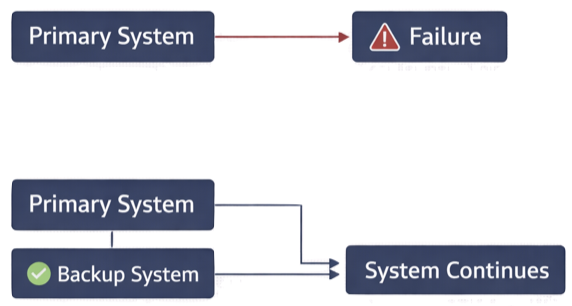
comparison between single system and redundant system in automotive functional safety

Redundancy Explained – Why Systems Need Backup in ISO 26262

Redundancy Explained – Why Systems Need Backup in ISO 26262 Why Redundancy Matters in Safety-Critical Systems Modern automotive systems must operate safely even in the presence of faults. This requirement becomes increasingly important as vehicles rely more on electronics and software to control critical functions such as braking, steering, and acceleration. However, no system is …

Redundancy Explained – Why Systems Need Backup in ISO 26262 Read More »

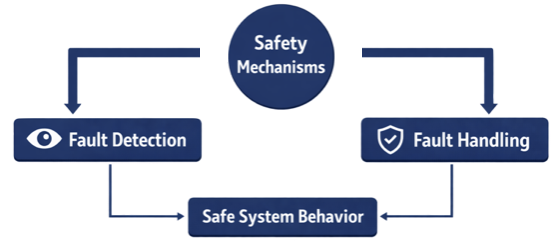
types of safety mechanisms showing fault detection and fault handling in ISO 26262 functional safety

Safety Mechanisms Explained – ISO 26262 in Practice

Safety Mechanisms Explained – ISO 26262 in Practice Why Safety Mechanisms Matter in Automotive Systems Modern vehicles depend on complex electrical and electronic systems to perform safety-critical functions such as braking, steering, and acceleration. But no system is perfect. Hardware components can fail. Software can contain defects. Sensors can provide incorrect data. In safety-critical environments, …

Safety Mechanisms Explained – ISO 26262 in Practice Read More »

Cookie Consent with Real Cookie Banner